Life-Changing Events That Move the Housing Market
The housing market is a dynamic and often unpredictable sector, influenced by a wide array of factors. While many elements, such as supply and demand, play significant roles in determining the course of the market, life-changing events can trigger shifts in housing trends that ripple through the economy. These events can reshape housing demand, prices, and buying behavior, often in profound ways. Understanding how such events influence the market can help buyers, sellers, and investors anticipate and adapt to housing trends. Here are some of the most impactful life-changing events that move the housing market:
1. Economic Recessions: A Shift in Consumer Confidence
One of the most significant life-changing events for the housing market is an economic recession. When the economy takes a downturn, it often leads to rising unemployment rates, lower disposable income, and uncertainty about the future. In these conditions, people may delay major life decisions, including buying a home. Mortgage lenders tighten their standards, making it harder to secure financing, which can further slow the market. Additionally, job insecurity can make people hesitant to invest in a new home, causing a drop in housing demand.
Example: During the 2008 financial crisis, the housing market saw a massive decline as banks faced collapse, home values plummeted, and millions of foreclosures occurred. As a result, housing prices fell dramatically, and the recovery of the housing market took years.
2. Interest Rate Changes: The Cost of Borrowing
Interest rates set by central banks have a powerful effect on the housing market. When the central bank raises interest rates, the cost of borrowing money increases, leading to higher mortgage rates. As mortgages become more expensive, many prospective buyers may be priced out of the market, leading to reduced demand for homes. Conversely, when interest rates are lowered, it becomes easier and more affordable to borrow money, stimulating demand for homes and potentially driving up home prices.
Example: In the aftermath of the 2008 financial crisis, the U.S. Federal Reserve slashed interest rates to historic lows, which encouraged people to buy homes and refinance mortgages. This helped spark a recovery in the housing market and fueled the rapid rise in home prices in the years that followed.
3. Pandemics and Health Crises: Changing Where and How We Live
Global health crises, like the COVID-19 pandemic, can dramatically alter the housing market. When work-from-home and remote learning policies are adopted, demand for housing can shift as people seek more space, larger homes, or properties in suburban or rural areas. People may also rethink their living arrangements due to health concerns, leading to a shift in where and how people buy homes. On the other hand, health crises can also lead to reduced economic activity, fewer job opportunities, and uncertainty about the future, which can dampen housing market activity.
Example: The COVID-19 pandemic triggered a surge in suburban home sales as people sought more space and a better work-from-home environment. Urban areas, particularly in cities with high costs of living, saw an exodus of residents as remote work allowed them to leave for more affordable locations. The demand for vacation homes and properties with larger yards also spiked.
4. Natural Disasters: Rebuilding and Recovery
Natural disasters, such as earthquakes, hurricanes, floods, and wildfires, can have an immediate and long-lasting impact on the housing market. In the short term, these disasters often lead to a reduction in the availability of homes as properties are destroyed or damaged. However, once the immediate aftermath subsides, the rebuilding process often sparks an increase in demand for new homes, leading to an uptick in construction and real estate transactions.
Example: After Hurricane Katrina devastated New Orleans in 2005, the housing market saw significant upheaval. While many residents were displaced, the rebuilding process led to an influx of new residents and a surge in construction and housing demand, which played a major role in the city’s economic recovery.
5. Government Policy Changes: Influencing Market Dynamics
Government policies can dramatically affect the housing market, especially when it comes to regulations and incentives that influence supply and demand. Changes in tax incentives, mortgage lending rules, and zoning laws can all influence people’s decisions to buy, sell, or build homes. For example, government programs aimed at supporting first-time homebuyers can spur market activity, while new property tax laws or rent controls may discourage investment in certain areas.
Example: The U.S. government’s decision to implement the First-Time Homebuyer Credit during the 2008 housing crisis provided incentives for buyers to purchase homes, which helped stabilize the housing market during a period of uncertainty.
6. Job Market and Employment Changes: Shaping Regional Markets
The strength of the job market can significantly influence housing demand, particularly in regions where economic activity is concentrated around specific industries. A boom in a particular industry can attract new residents, driving up housing demand in those areas, while layoffs or factory closures can have the opposite effect. People may also relocate to areas with better job opportunities, leading to population shifts that affect housing prices in both the destination and departure markets.
Example: The tech boom in Silicon Valley over the past few decades has led to skyrocketing housing prices in the area, as workers in the technology sector flocked to the region. Conversely, Rust Belt cities like Detroit have seen a decline in housing demand as job opportunities in manufacturing dwindled.
7. Demographic Shifts: Changing Household Needs
Shifts in demographics, such as aging populations or changes in family structures, can also have a significant impact on the housing market. For example, as the baby boomer generation ages, there is increased demand for downsized homes or properties that are more suitable for elderly living. Additionally, as millennials begin to form their own households and start families, there is growing demand for starter homes or homes in family-friendly neighborhoods.
Example: The rise of millennials as first-time homebuyers has driven the demand for affordable homes, especially in suburban and up-and-coming urban areas. At the same time, the aging baby boomer population is leading to a rise in demand for smaller, single-story homes or retirement communities.
8. Family and Life Transitions: Changing Homeownership Patterns
Personal life events such as marriage, divorce, the birth of a child, or the transition into retirement can prompt individuals to buy, sell, or refinance their homes. For example, growing families may need larger homes with more bedrooms and outdoor space, while empty-nesters may downsize once their children leave home. These transitions can lead to increased demand for certain types of properties, particularly in specific price ranges or locations.
Example: As millennials start families, the demand for homes with more space, close to schools and parks, has increased. Similarly, many baby boomers are downsizing as they retire, contributing to a rise in the demand for smaller, more affordable homes.
9. Technological Advancements: Changing How We Buy Homes
Advancements in technology have also played a crucial role in shifting the housing market. The rise of online real estate platforms, virtual home tours, and remote work capabilities has changed how people search for homes and where they choose to live. With technology enabling virtual tours and remote work, people are no longer tied to specific geographic locations for employment, leading to shifts in housing demand.
Example: During the COVID-19 pandemic, the widespread adoption of remote work allowed many people to leave crowded, expensive cities in favor of more affordable suburban or rural areas. The ability to work from anywhere made it easier for people to move to areas with better housing opportunities.
10. Social Movements and Cultural Shifts: Shaping Housing Preferences
Cultural and social movements can also impact housing demand. As values shift over time, so do housing preferences. Growing awareness of environmental issues has driven demand for more sustainable, energy-efficient homes. Similarly, trends toward urban living, walkability, and proximity to public transportation can lead to greater demand for homes in certain urban areas.
Example: In cities like Portland and San Francisco, there has been a growing demand for homes with eco-friendly features, such as solar panels, energy-efficient appliances, and sustainable building materials, driven by an increasing cultural focus on sustainability.
Conclusion
The housing market is deeply intertwined with life-changing events, from economic downturns and health crises to government policies and personal milestones. These events shape how people view their living arrangements, affecting everything from where they choose to live to the type of home they want. By staying attuned to these shifts, both prospective homebuyers and investors can better navigate the ebbs and flows of the real estate market and make informed decisions based on the broader context of societal and economic changes.


![Winning Plays for Buying a Home in Today’s Market [INFOGRAPHIC]](https://www.upnorthpropertysearch.com/wp-content/uploads/sites/34/2024/02/Winning-Plays-for-Buying-a-Home-in-Todays-Market-NM.jpg)

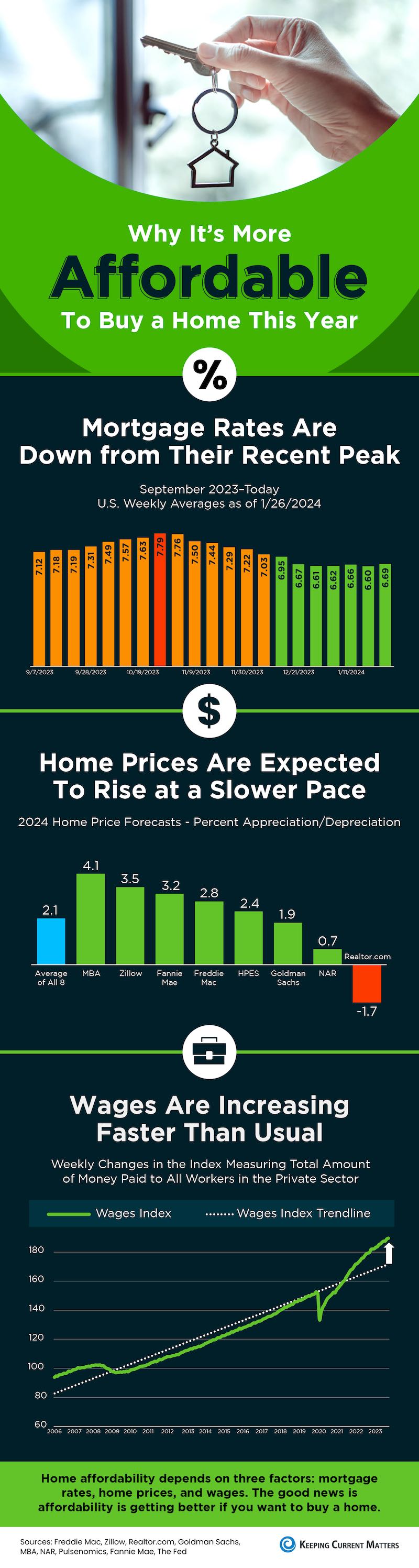
![Why It’s More Affordable To Buy a Home This Year [INFOGRAPHIC]](https://www.upnorthpropertysearch.com/wp-content/uploads/sites/34/2024/01/Why-Its-More-Affordable-To-Buy-A-Home-This-Year-NM.jpg)